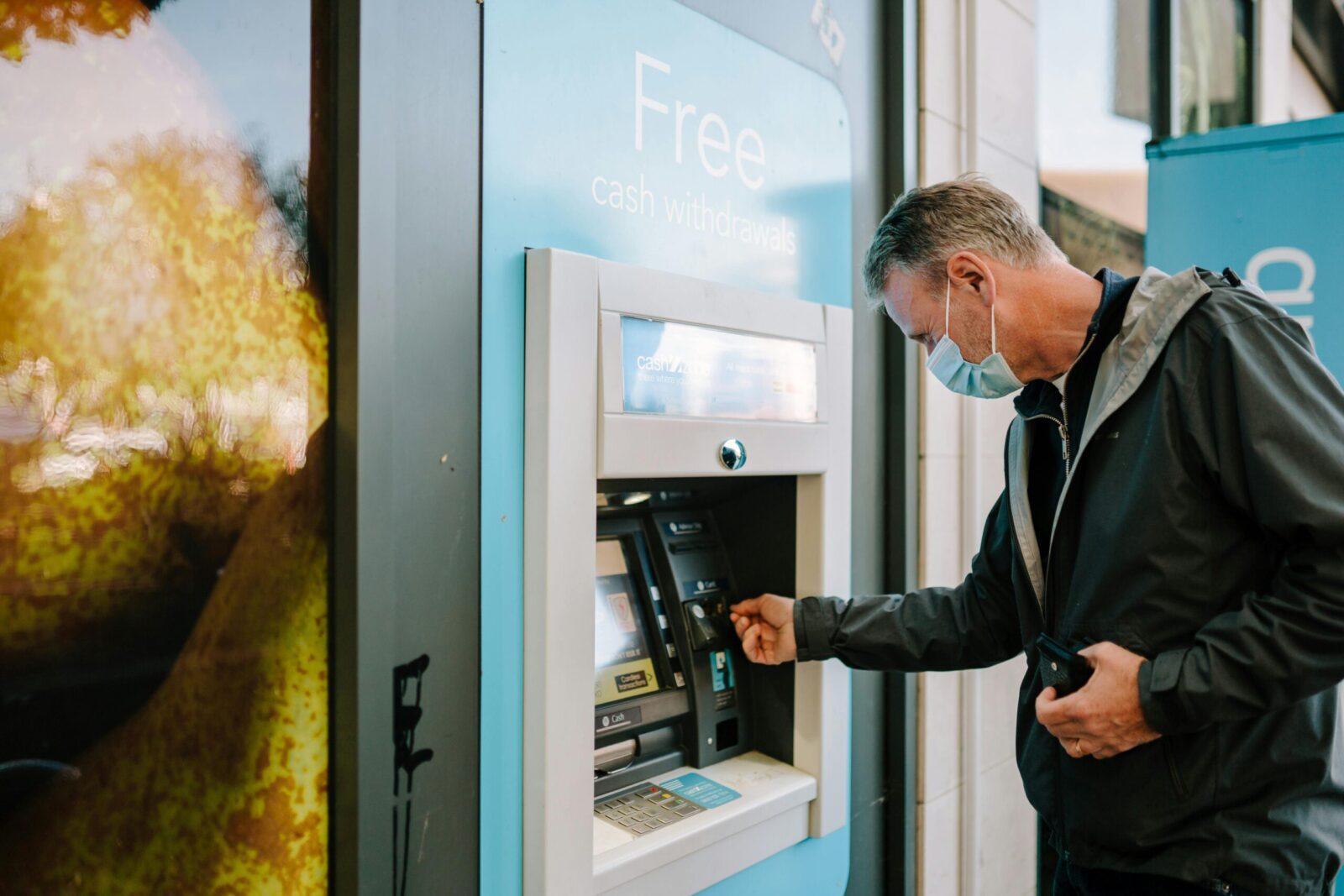
ATM fees in the United States may seem small per transaction, but they can quickly add up over time. Understanding how these fees work—and how to avoid them—can save you hundreds of dollars every year.
This in-depth, SEO-friendly guide explains ATM fees in the USA, how they are charged, and practical ways to avoid them.
What Are ATM Fees?
ATM fees are charges you pay when withdrawing cash from an ATM. These fees usually apply when you use an ATM that is not part of your bank’s network.
Types of ATM Fees:
- Out-of-network fee (charged by your bank)
- ATM operator fee (charged by the ATM owner)
- International transaction fee (for overseas withdrawals)
In many cases, you may pay two fees for one transaction. (Encyclopedia Britannica)
How Much Are ATM Fees in the USA?
ATM fees have steadily increased over the years.
- Average total ATM fee: $4.86 per transaction (Bankrate)
- ATM operator fee: ~$3.22
- Bank fee: ~$1.64 (Bankrate)
- Some transactions can exceed $5–$6 per withdrawal (ATMs Near Me)
Real Impact:
- Using an out-of-network ATM once a week can cost $250+ per year (Bankrate)
Why Do Banks Charge ATM Fees?
ATM fees exist because:
- Maintaining ATM networks is expensive
- Banks charge for convenience outside their network
- Third-party ATM operators generate revenue through surcharges
Originally, ATMs were meant to reduce costs, but over time they became a profit source for banks and operators. (Encyclopedia Britannica)
When You Are Most Likely to Pay ATM Fees
You’re most likely to incur fees when:
- Using ATMs outside your bank’s network
- Withdrawing cash at convenience stores or gas stations
- Traveling internationally
- Using ATMs frequently without checking fees
How to Avoid ATM Fees in the USA
1. Use In-Network ATMs
The simplest way to avoid fees is to use ATMs owned by your bank or its partner networks.
Many banks partner with networks like:
- MoneyPass
- Allpoint
- CO-OP (credit unions)
These offer thousands of fee-free ATMs nationwide. (Encyclopedia Britannica)
2. Choose Banks That Reimburse ATM Fees
Some banks refund ATM fees automatically.
Examples:
- Online banks
- Credit unions
- Premium checking accounts
These banks reimburse part or all of the fees monthly.
3. Get Cash Back at Stores
Instead of using an ATM, you can:
- Pay with debit card at a store
- Request cashback at checkout
This is usually free and widely available at supermarkets and retail stores.
4. Withdraw Larger Amounts Less Frequently
Instead of multiple small withdrawals:
- Take out a larger amount once
- Reduce the number of transactions
This minimizes the number of fees you pay.
5. Use Digital Payments Instead of Cash
Reduce ATM usage by using:
- Debit/credit cards
- Mobile payments (Apple Pay, Google Pay)
Less cash usage means fewer ATM visits.
6. Avoid ATMs in High-Fee Locations
ATMs in:
- Airports
- Hotels
- Tourist areas
- Convenience stores
often charge higher-than-average fees.
7. Check Fees Before Confirming
Most ATMs display fees before you proceed.
Tip:
- Always read the screen
- Cancel if the fee is too high
8. Use Banks with Large ATM Networks
Banks with extensive ATM networks reduce your chances of paying fees.
Look for:
- Nationwide ATM coverage
- Partner ATM networks
- Mobile apps with ATM locators
9. Avoid International ATM Fees
When traveling:
- Use cards with no foreign transaction fees
- Withdraw larger amounts fewer times
- Decline currency conversion at ATMs
International fees can include 1%–3% extra charges. (Bankrate)
Common Mistakes to Avoid
- Using the nearest ATM without checking fees
- Ignoring your bank’s ATM network
- Making frequent small withdrawals
- Not using cashback options
- Overlooking fee reimbursement accounts
Benefits of Avoiding ATM Fees
- Save hundreds of dollars annually
- Improve overall financial management
- Reduce unnecessary banking costs
- Maximize savings and spending efficiency
Conclusion
ATM fees in the USA can quietly drain your money if you’re not careful. With average fees nearing $5 per transaction, it’s essential to use smart strategies like staying in-network, choosing the right bank, and minimizing withdrawals.
By understanding how ATM fees work and applying these simple tips, you can avoid unnecessary charges and keep more of your money where it belongs.